
January promises escape, not sunburn. But for travellers heading south, the sun forgets mercy.
People dream about summer vacations in January. School’s out. Flights are booked. Families chase warmth while the northern hemisphere shivers. But landing in the southern hemisphere means stepping straight into the heart of summer, and with that comes a UV threat that most aren’t prepared for. The stakes are higher than anyone wants to admit.
Here’s the brutal truth: January is peak summer south of the equator. That means longer daylight hours and UV radiation that hits harder than what most Canadians experience even in July. The air might feel just warm enough, but the sun’s invisible assault can leave its mark for life. For families with young children, the risk isn’t just discomfort. It’s the threat of skin damage that lingers long after the holiday ends.
Why does the danger spike so sharply? The southern hemisphere’s ozone layer has taken a beating in recent decades, thinning just enough to let through more ultraviolet rays. And the sun’s angle in January blasts beaches and playgrounds with ultraviolet radiation that can burn skin in minutes, not hours. The results are as predictable as they are painful—red shoulders, peeling noses, restless sleep. It’s not worth pretending this is just part of the vacation experience.
Most travellers think sunblock and a baseball cap will do the trick. Ask any parent who’s tried to reapply SPF50 on a sandy, wriggling child every two hours. It’s a losing battle. Shade isn’t just nice to have; it’s a necessity. But what kind of shade actually works?
For years, plastic beach tents were the go-to, but they came with hidden costs—overheating, flimsy construction, and a mountain of plastic waste left behind after just one summer. That’s not protection. That’s passing the problem on to the next traveler, or worse, to the ocean itself.
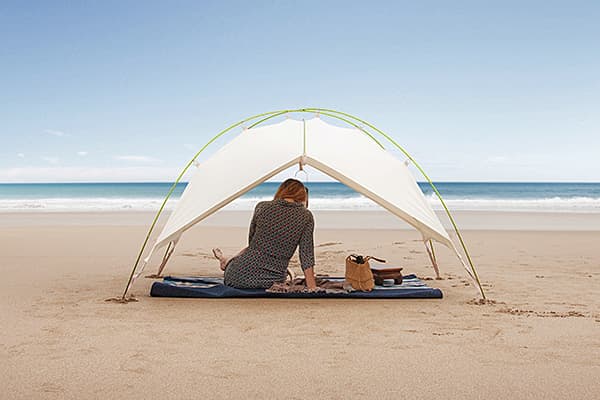
Enter a new approach: shelters made from recycled materials that actively cool and protect. Imagine a beach tent built from the plastic bottles and fishing nets that used to haunt our coastlines. Engineered with a special weave and a reflective coating, these tents don’t just block UV rays. They lower the temperature inside, creating a haven that’s safe for kids and comfortable for adults. They’re lightweight, portable, and, crucially, designed to last more than a single trip.
This isn’t just about ticking a box for eco-friendliness. It’s about redefining what it means to be responsible—both as travellers and as parents. Using sun shelters that are PFAS-free and made from recycled ocean-bound plastics means less guilt, less waste, and real peace of mind. The southern hemisphere offers beauty and adventure, but it also demands respect. Ignoring the UV risk isn’t bold, it’s reckless.
Environmental advocates have long sounded the alarm about plastics clogging our beaches. Health experts echo this urgency about UV. “A sunburn in childhood doubles your risk of melanoma later in life,” one dermatologist warns. But the solutions aren’t just medical; they’re practical. They’re found in the choices we make when we pack for that January escape.
Families, beachgoers, and anyone who cares about the planet have a clear path forward. Choose shade that works as hard as you do. Pick shelter made for the future you want for your kids. And remember: the best summer vacation in January is one you come home from without regrets—or red skin. Don’t let short-term comfort blind you to long-term costs. January’s southern sun is unforgiving, but your response doesn’t have to be careless.
I believe in protecting what matters—our children, our memories, and our beaches. A great vacation should leave nothing behind but footprints and laughter. That’s a standard worth standing for.